
12 Innovative Ways to Incorporate Mirrors in Your Interior Design
Mirrors are incredibly effective yet frequently overlooked elements in interior design. Mirrors do more than show images. They also brighten light, make a room feel bigger, and improve the overall mood.
No matter what type of space you are designing, mirrors can help. This includes cozy apartments, family homes, and business spaces.
Mirrors can solve common design issues. They also add elegance and visual interest.
Many spaces face similar challenges, such as feeling cramped, lacking natural light, or having flat, dull walls. Strategically positioned mirrors can effectively resolve these problems simultaneously. In modern interior design, mirrors are no longer just for bathrooms and dressing rooms. They have become important design elements that enhance the decor.
In this guide, we will look at 12 easy and stylish ways to use mirrors in your home. These concepts work well in a variety of settings, styles, and price ranges.
Why Mirrors Are Essential in Modern Interior Design
Before diving into specific ideas, it’s worth understanding why mirrors are so valuable in Interior Design. They can make a room feel brighter by bouncing light, create the illusion of depth, and bring balance to a layout. Mirrors are frequently used by designers to achieve maximum impact without requiring significant structural alterations.
Flexibility is an additional benefit. Mirrors suit minimalist, traditional, industrial, and luxury interiors alike. With custom sizing, finishes, and placements, they adapt effortlessly to the design story you want to tell.
1. Create the Illusion of Space in Small Rooms
One of the most common uses of mirrors in Interior Design is to make small spaces feel larger. A well-positioned mirror visually doubles the depth of a room, reducing the feeling of confinement.
Large wall mirrors or floor-to-ceiling installations are especially effective in compact living rooms, bedrooms, and home offices. For best results, place mirrors where they reflect open areas rather than clutter. Without changing a room’s physical footprint, this easy method can significantly alter how it is perceived.
2. Increase the Amount of Natural Light in Your Home
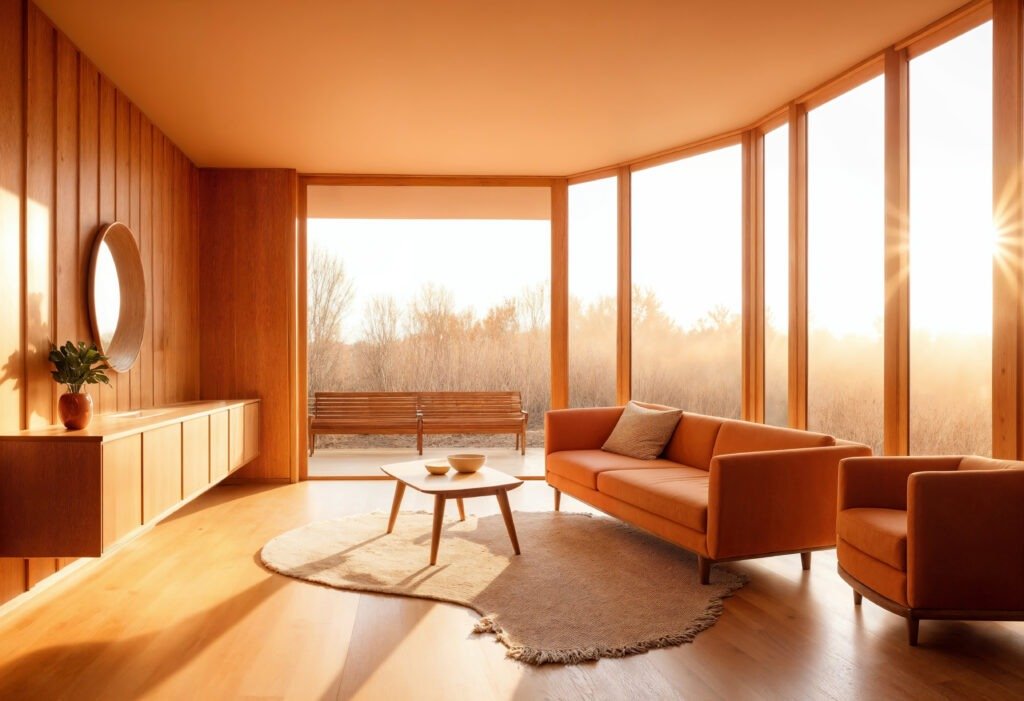
Natural light is a prized element in any Interior Design scheme. By reflecting daylight into a room’s darker corners, mirrors serve as light multipliers.
Sunlight can enter a room more fully if a mirror is placed next to or across from a window. This approach works particularly well in living rooms, kitchens, and stairwells. Polished-edge or frameless mirrors enhance this effect by maintaining a clean and constant reflection.
3. Use Mirrors as Statement Feature Walls
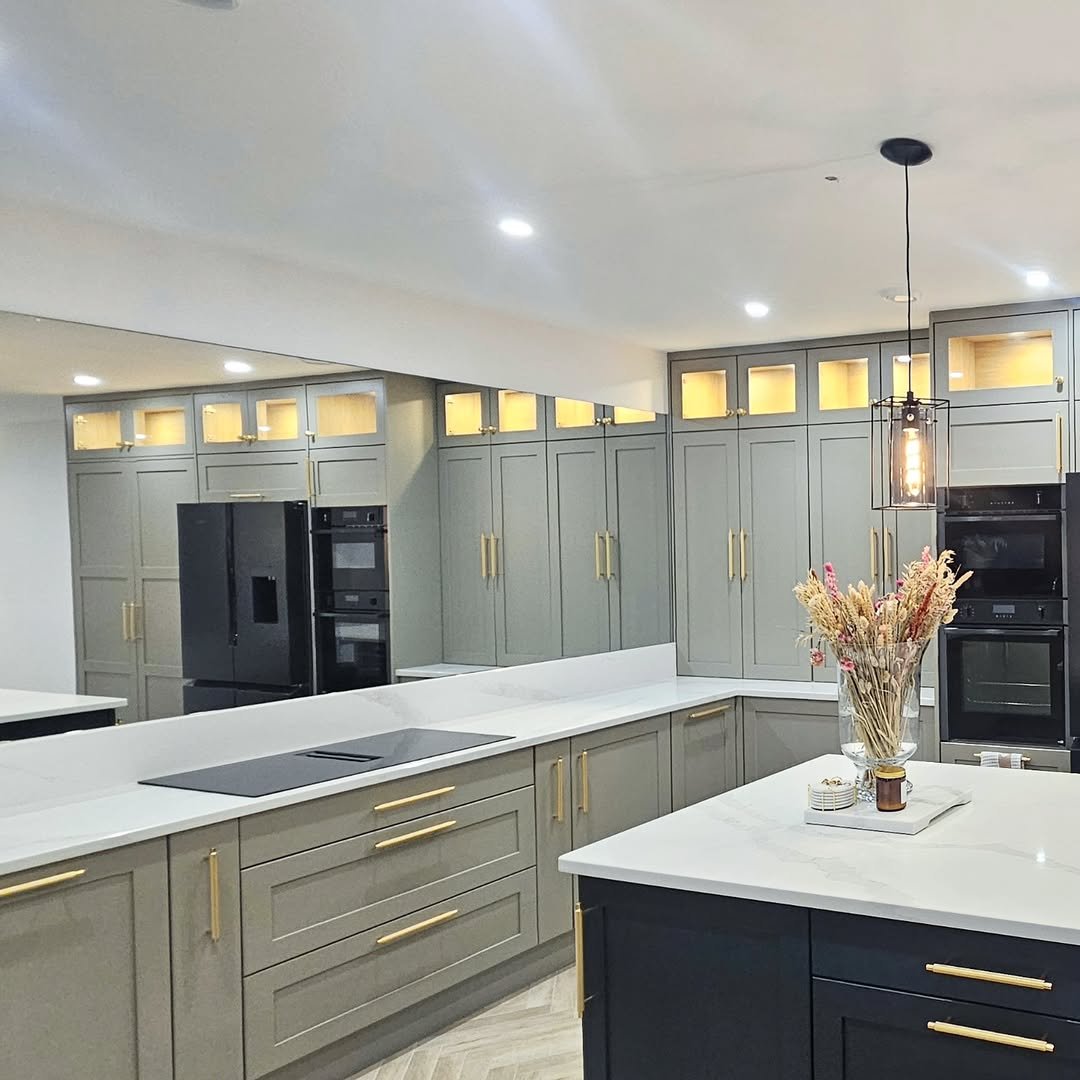
Feature walls are a popular technique in Interior Design, and mirrors offer a fresh alternative to paint or wallpaper. A mirror feature wall adds drama, depth, and sophistication—especially in dining areas or formal living rooms.
You can choose antique mirror panels for a vintage look. Geometric designs work well for modern spaces. Seamless mirrored walls create a bold, contemporary style. When done right, a mirror feature wall becomes the focal point of the space.
4. Elevate Entryways and Hallways
Hallways and entryways are often narrow and poorly lit, making them ideal candidates for mirrors. In Interior Design, these transitional spaces benefit greatly from reflective surfaces.
A vertical mirror can visually stretch the height of a hallway, while a horizontal mirror can widen it. Mirrors in entryways are not just for looks.
They are useful too. They let you check your appearance before leaving. They also make the space feel more inviting.
5. Add Depth and Balance to Living Rooms
In living rooms, mirrors help create balance and cohesion. Placing a mirror above a sofa, console, or fireplace can anchor the layout and bring symmetry to the space.
In Interior Design, mirrors are often used to reflect focal points such as artwork, windows, or statement lighting. This reflection doubles the visual impact of key elements, adding richness without overcrowding the room.
6. Make Dining Areas Feel More Expansive
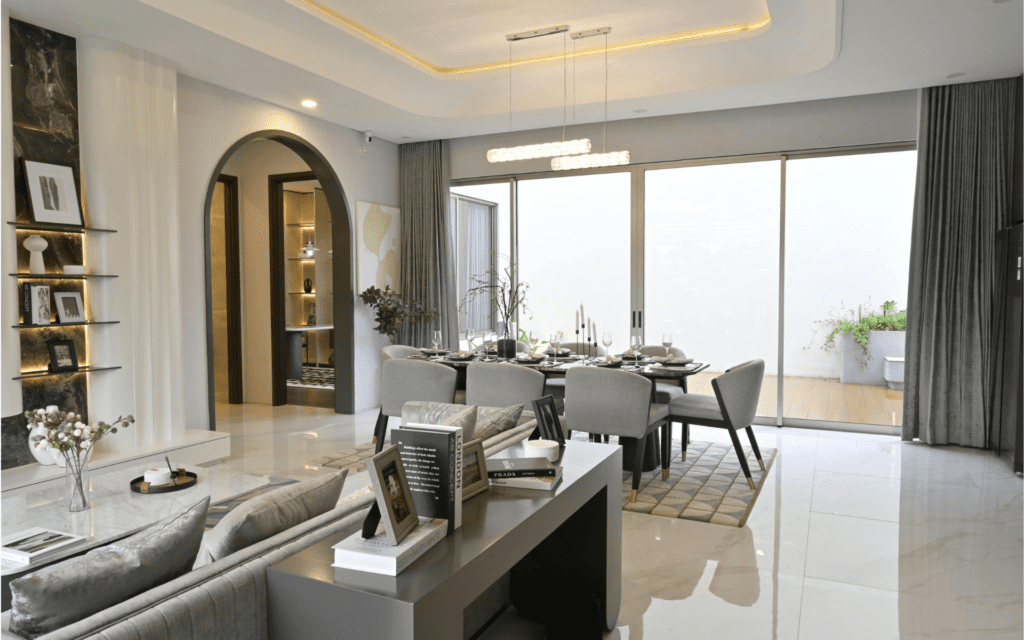
Dining rooms benefit greatly from mirrors because they enhance both space and ambience. A mirror placed behind the dining table can make the room feel larger and more refined.
In Interior Design, mirrors in dining areas often reflect pendant lights or chandeliers. This creates a warm and inviting layered lighting effect. This technique is commonly used in restaurants and upscale homes to elevate the dining experience.
7. Style Bedrooms With Functional Elegance
Bedrooms require a balance between functionality and calm. Mirrors serve both purposes when used thoughtfully. Full-length mirrors, for example, are essential for daily routines while also adding depth to the room.
In interior design, it is best to place bedroom mirrors to reflect light. This helps keep a calm atmosphere instead of reflecting the bed. Frameless or softly framed mirrors work particularly well in bedrooms, as they blend seamlessly into the overall design.
8. Elevate Bathroom Interior Design With Mirrors
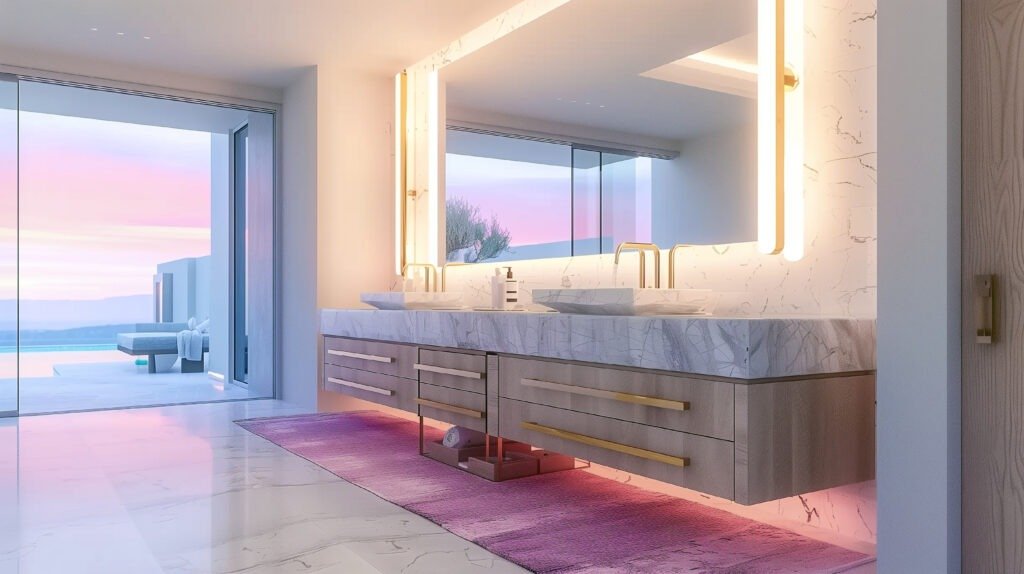
Bathrooms are where mirrors are expected—but modern Interior Design pushes their use beyond the basics. Oversized mirrors create a hotel-style feel, making bathrooms appear more luxurious and spacious.
Frameless mirrors are especially popular in contemporary bathrooms, Because they provide a sleek and simple appearance, frameless mirrors are particularly common in modern bathrooms. When combined with the appropriate lighting, a good mirror can transform the appearance and functionality of a room.
9. Define Zones in Open-Plan Interiors
Open-plan layouts are a hallmark of modern Interior Design, but they can sometimes lack definition. This issue is resolved by mirrors, which discreetly divide areas without obstructing sightlines or light.
A mirrored panel can separate a living area from a dining space. It can also create a visual divide for a home office in a larger room. This strategy gives each region its own identity while preserving openness
10. Add Character With Antique or Tinted Mirrors
Not all mirrors need to be crystal clear. Antique and tinted mirrors introduce texture, warmth, and personality into an interior. Because they add depth without overpowering a space, these finishes are becoming more and more popular in modern interior design.
Antique mirrors look great on feature walls, in bars, or as accents. Smoked or bronze-tinted mirrors bring a touch of luxury to modern spaces.
11. Enhance Commercial Interior Design With Mirrors
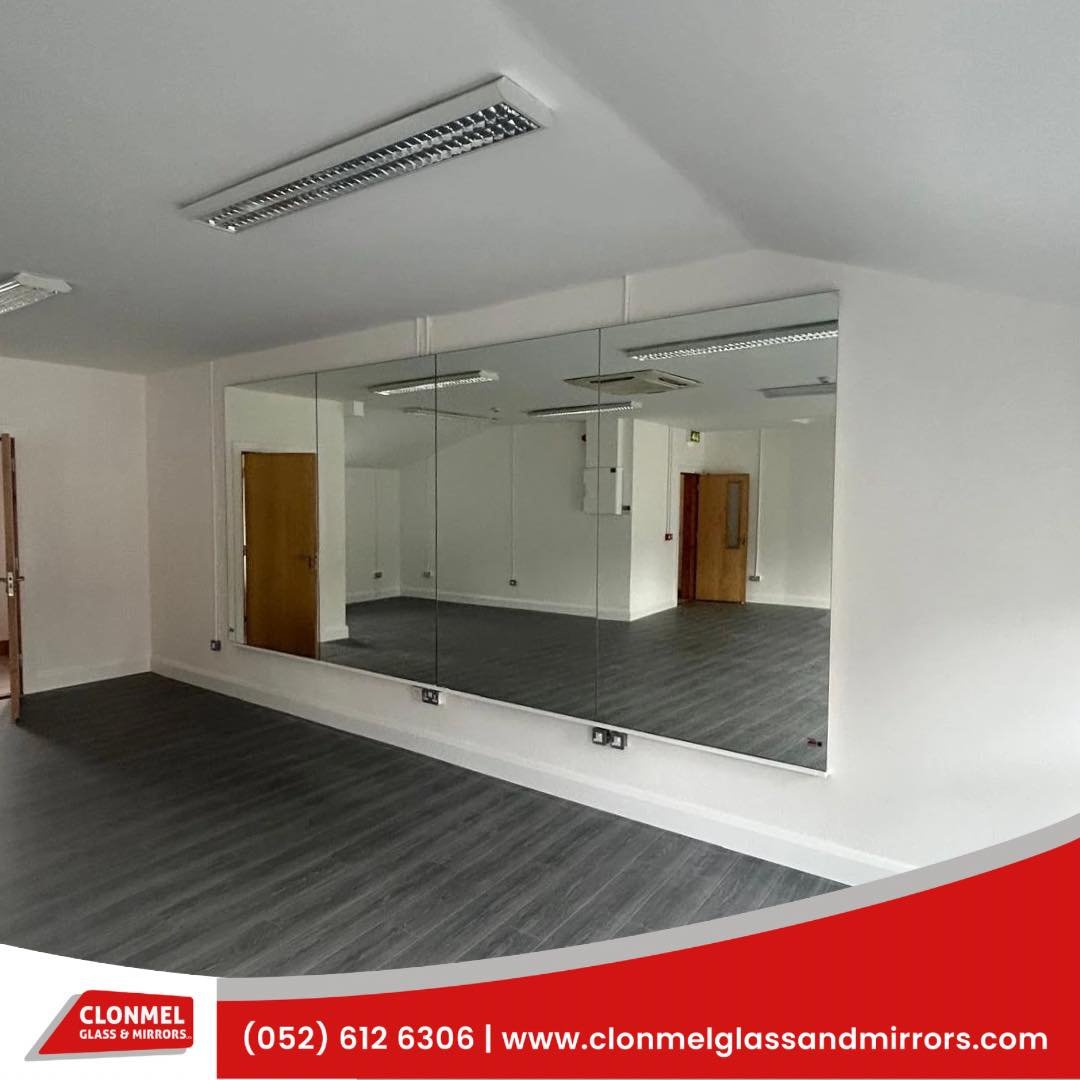
Mirrors are a staple in commercial Interior Design, from retail stores to salons and offices. They make spaces feel larger, brighter, and more inviting—key factors in customer experience.
In retail environments, mirrors improve product visibility and spatial flow. In salons and studios, they are both functional and integral to the brand’s visual identity. Durable, well-installed mirrors ensure long-term performance in high-traffic areas.
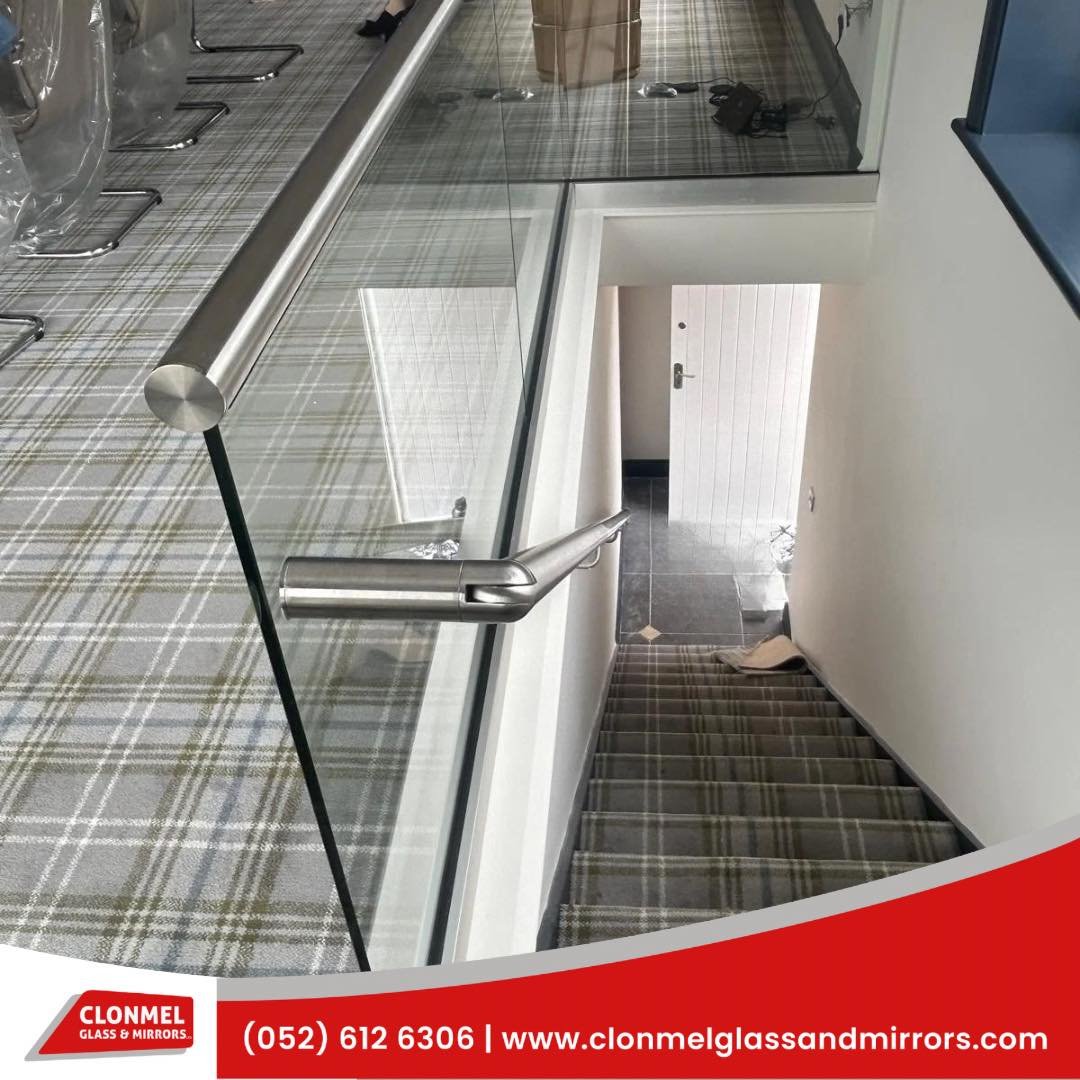
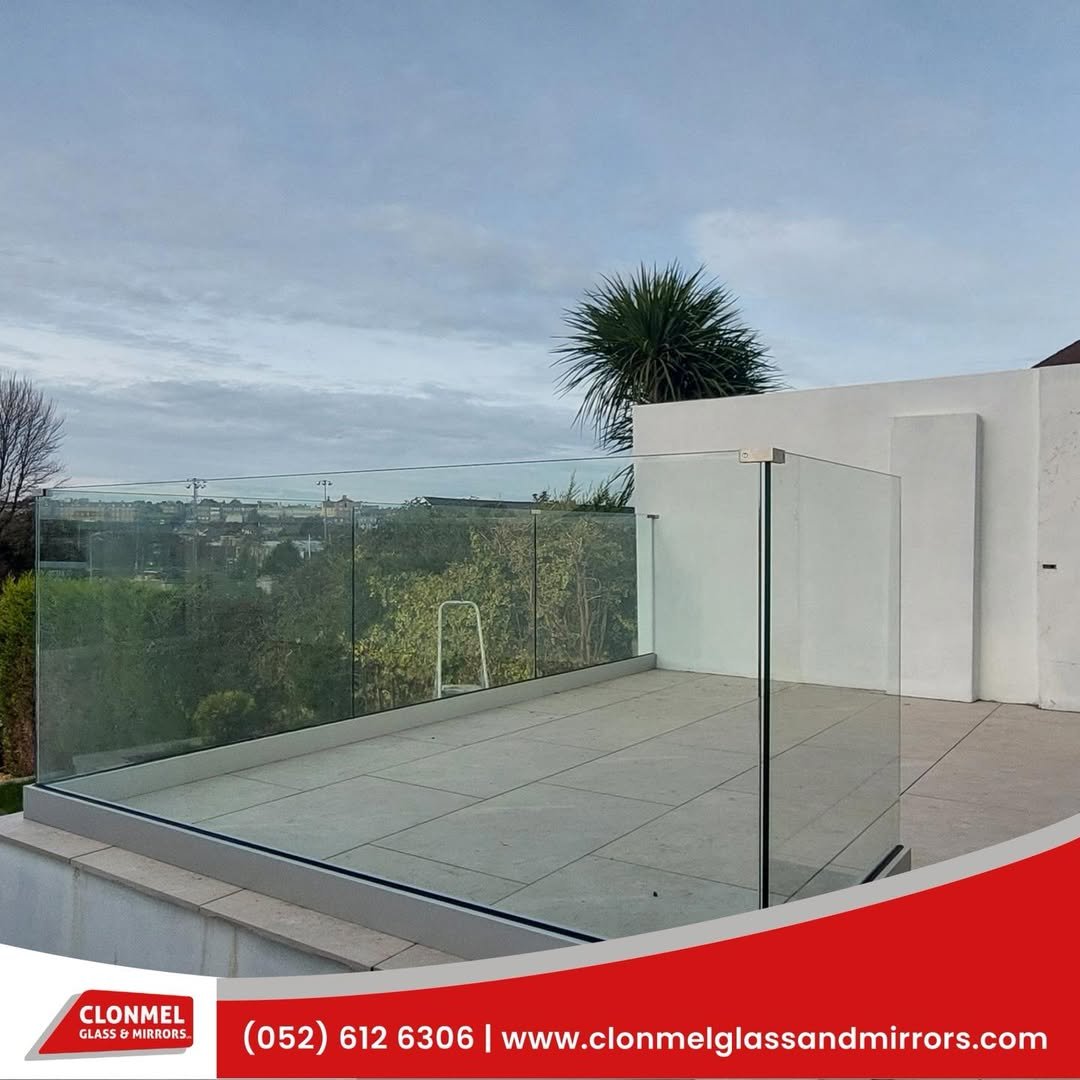
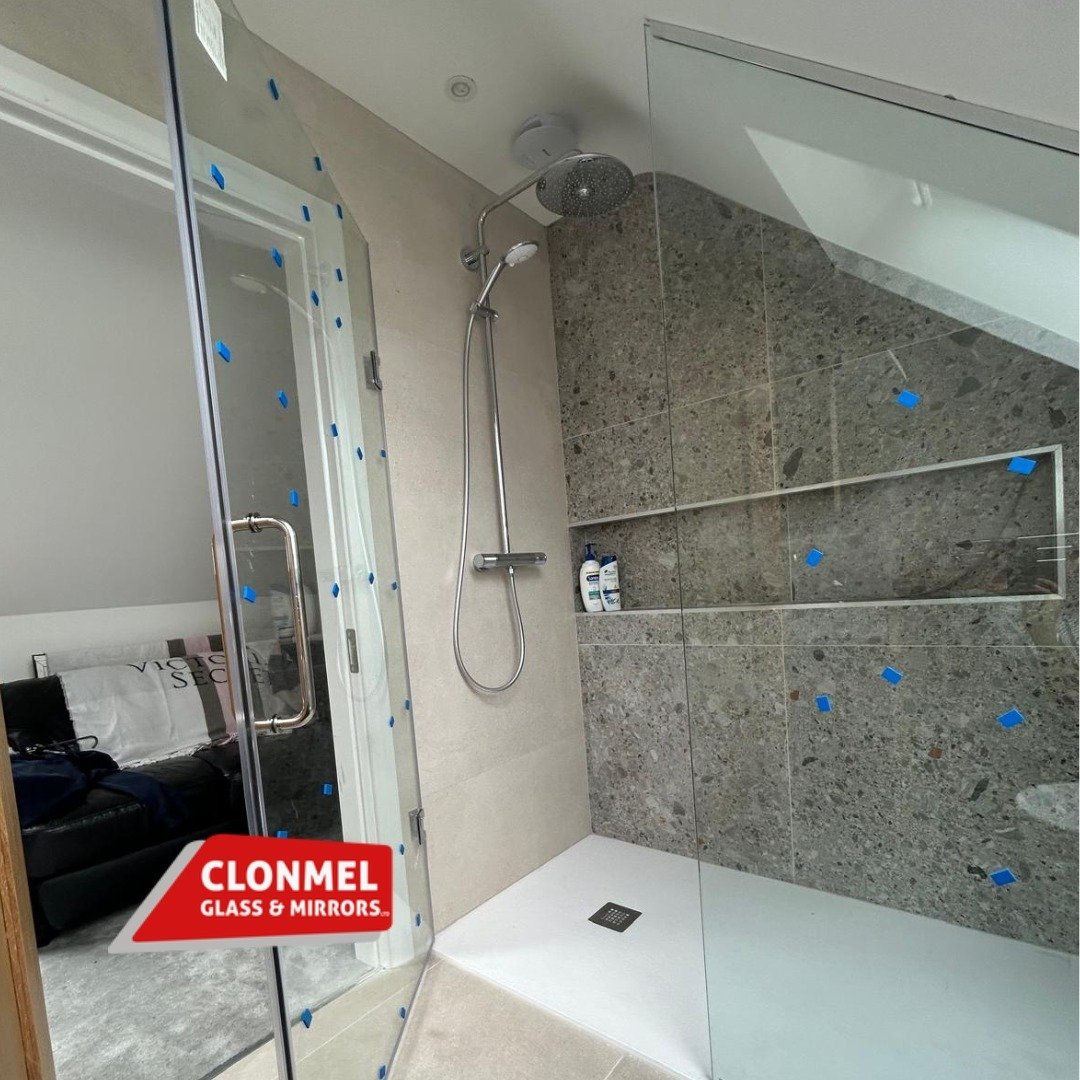
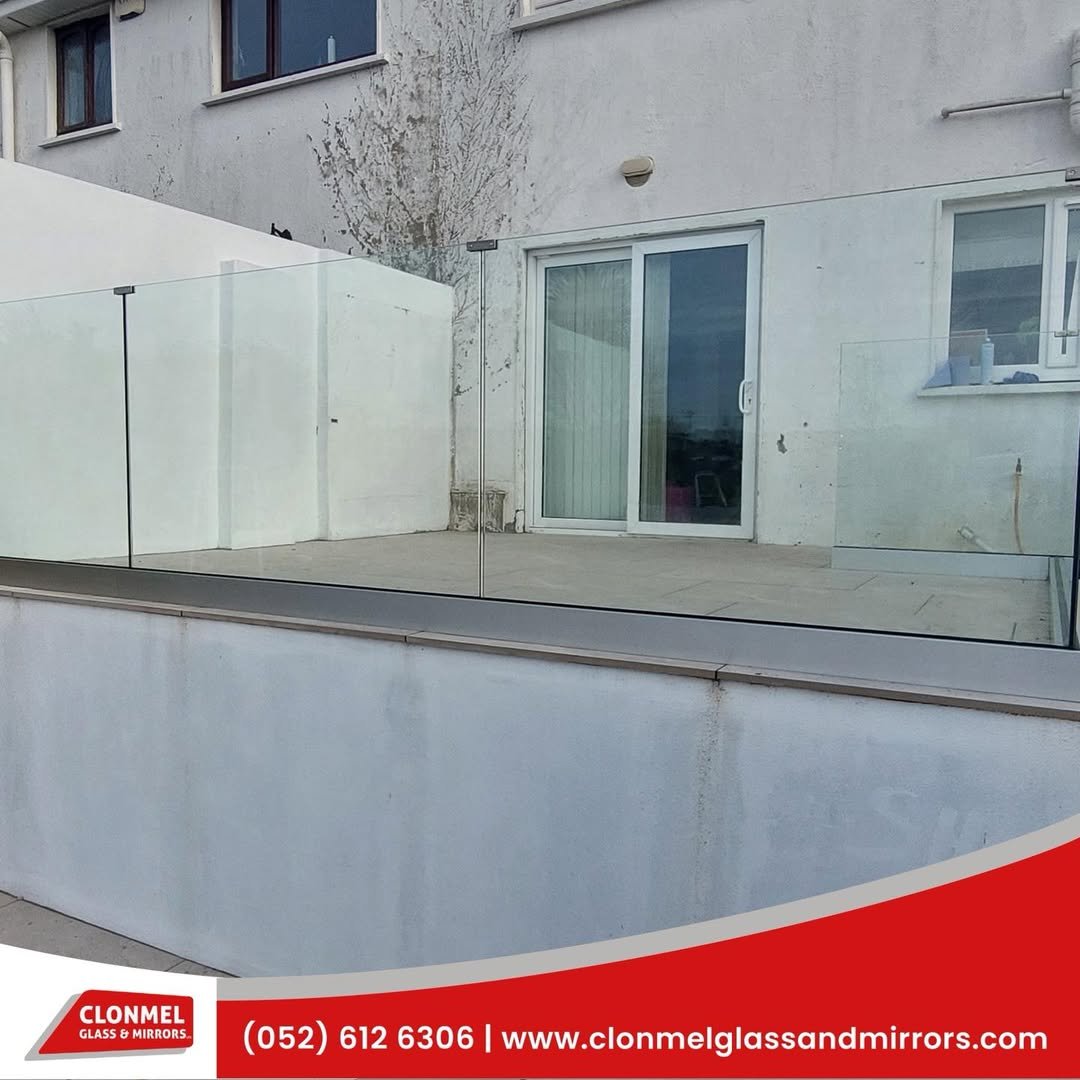
12. Combine Mirrors With Glass for a Cohesive Look
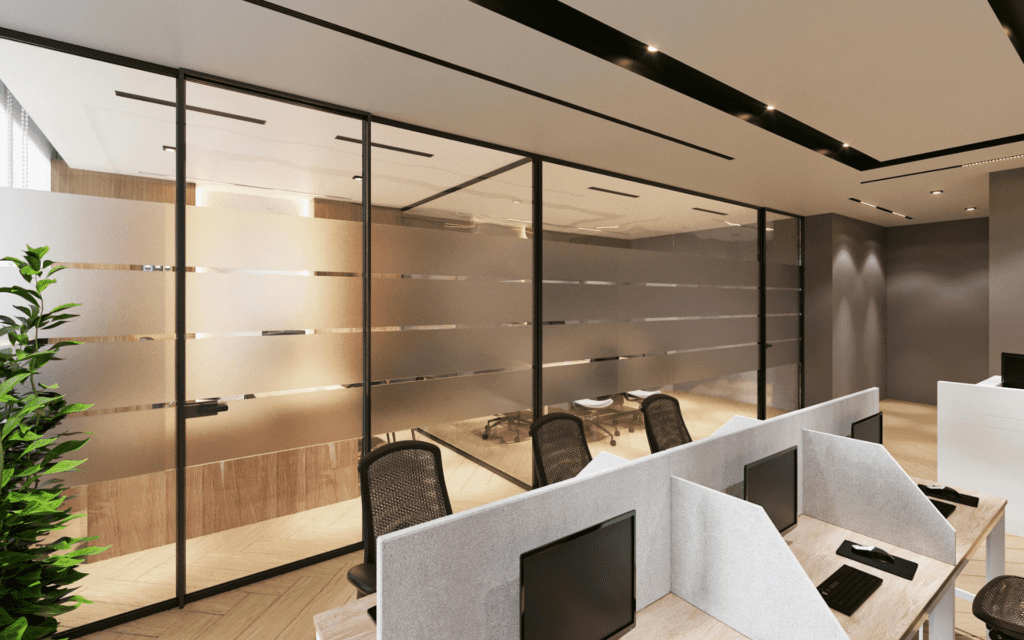
The most refined interiors often combine mirrors with glass elements. In Interior Design, this pairing creates continuity and elegance, especially in modern spaces.
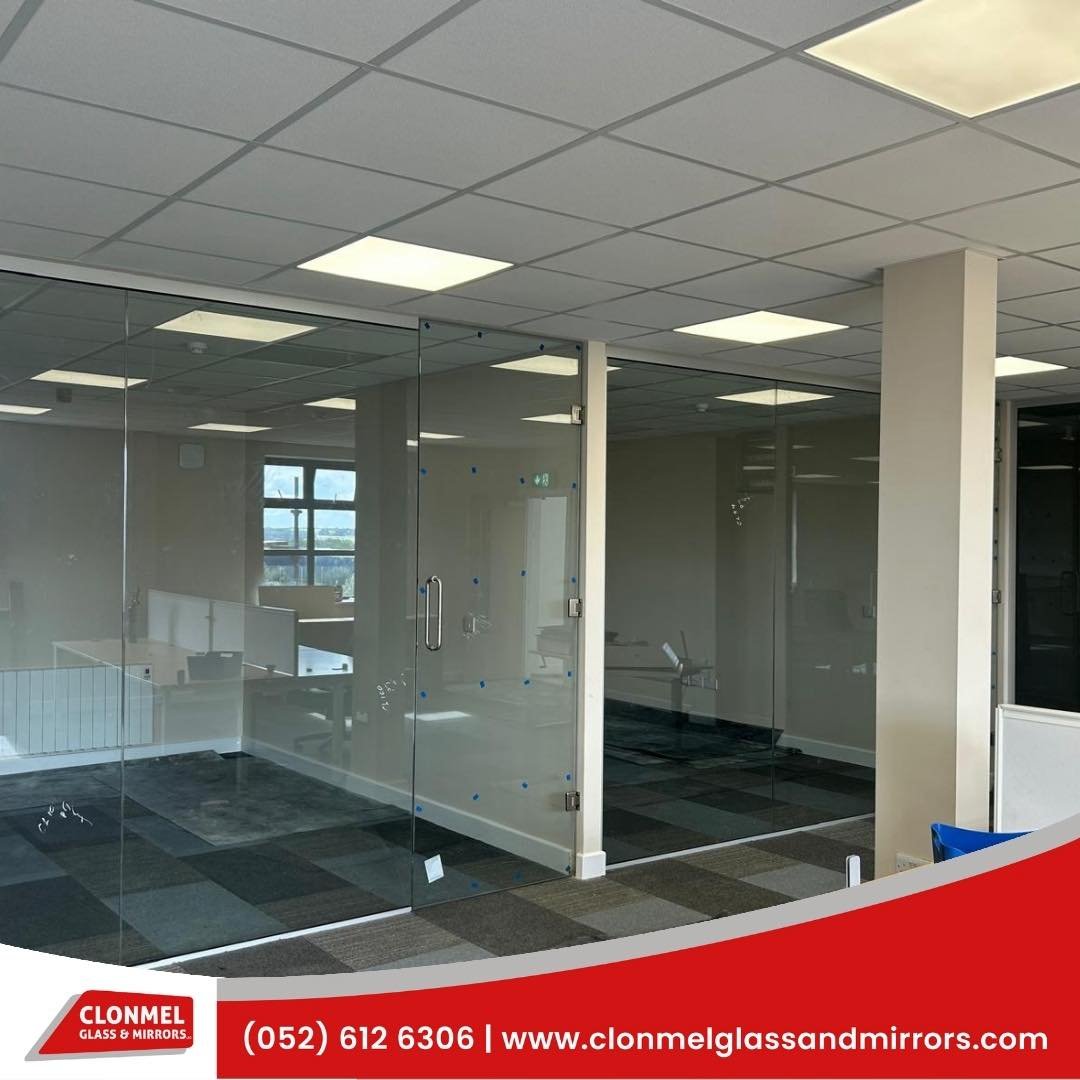
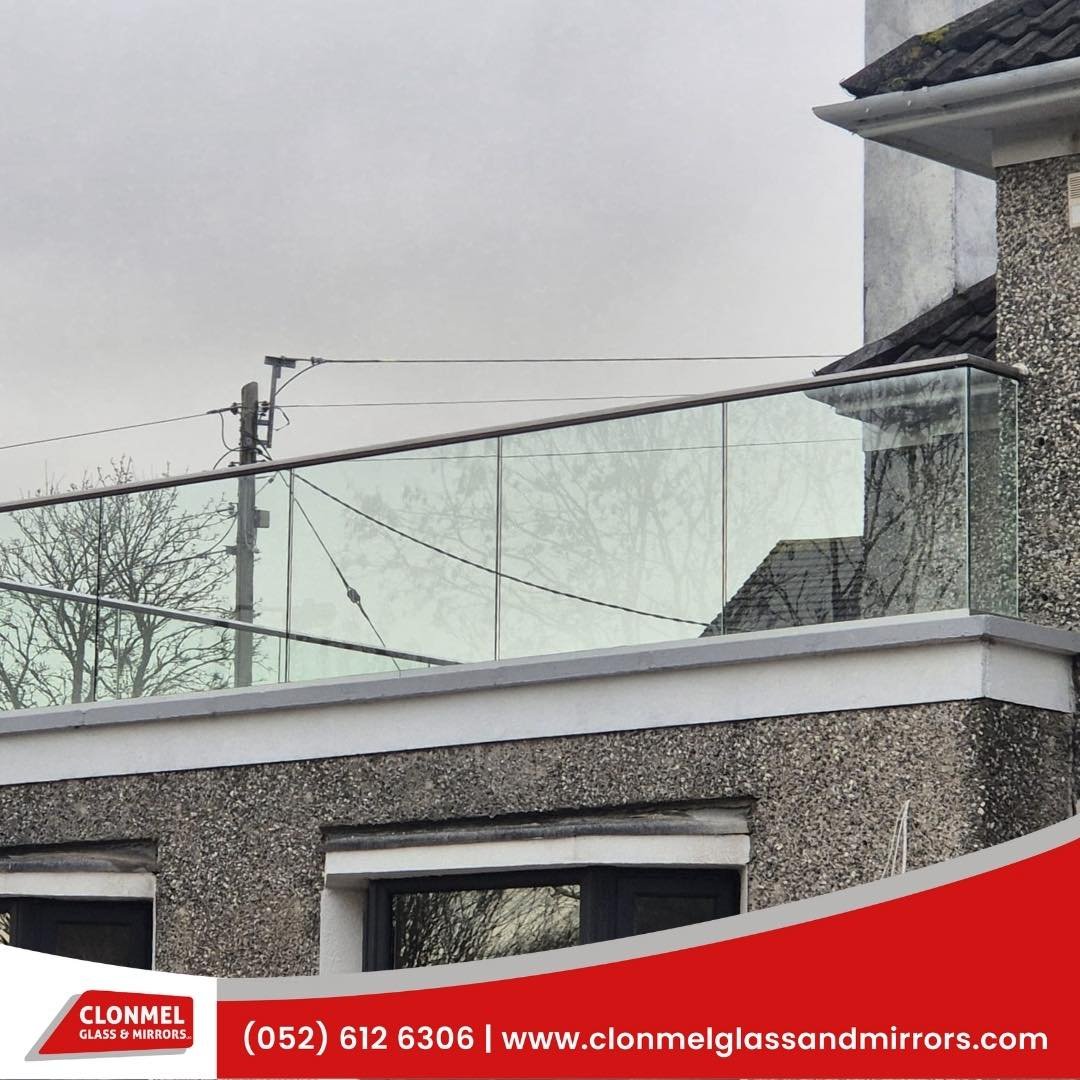
Mirrored walls paired with glass shelving, partitions, or balustrades produce a layered effect that feels light yet sophisticated. This combination is ideal for both residential and commercial interiors where openness and style go hand in hand.
Why Custom Mirrors Matter in Interior Design
While off-the-shelf mirrors can work in some settings, custom mirrors offer far greater flexibility. In Interior Design, bespoke solutions allow for precise sizing, tailored finishes, and seamless integration with structural features.
Working with experts like Clonmel Glass & Mirrors makes sure mirrors fit the exact size and design of a space. Custom mirrors don’t just fill a wall—they enhance it.
Final Thoughts: Reflecting on the Power of Mirrors
Mirrors are among the most effective tools in Interior Design. They brighten rooms, expand space, and add visual interest without the need for major renovations. From small apartments to expansive commercial interiors, mirrors adapt to every environment and design style.
By using mirrors wisely—thinking about where to place them, their size, and their finish—you can change regular spaces. This will make your rooms feel open, balanced, and interesting to look at.
Which room in your home or workspace could benefit most from a mirror upgrade? Sometimes, the biggest design impact comes from simply changing what you reflect.